
Designing Learning Without Barriers
Universal Design for Learning (UDL) is an approach to inclusive education that recognises learner variability, reduces barriers and creates flexible learning experiences where everyone has meaningful opportunities to participate, develop and succeed.
What is UDL?
Universal Design for Learning (UDL) is an educational framework that aims to create more accessible, flexible and inclusive learning experiences.
At its heart is the recognition that one size does not fit all. Every learner brings different experiences, abilities, strengths and needs into the learning environment.
Rather than expecting everyone to learn in the same way, UDL encourages educators to anticipate learner variability, reduce unnecessary barriers and design meaningful opportunities for all learners to participate, develop and succeed.
The Three Principles of UDL
-
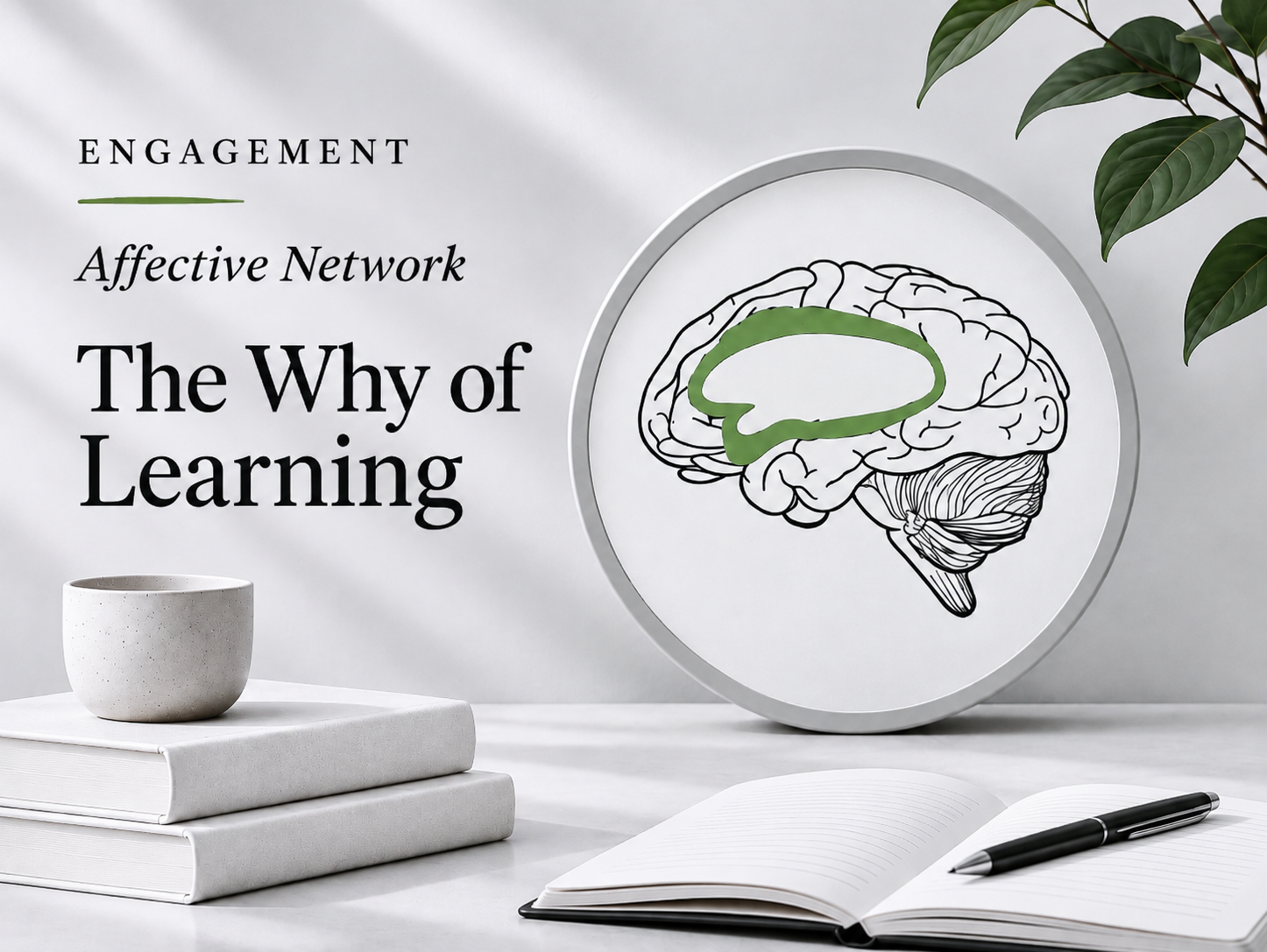
![Illustration of the brain's affective network, highlighted in green, representing Engagement and the WHY of learning within Universal Design for Learning (UDL).]()
Engagement
Engagement focuses on how we motivate learners, spark curiosity and encourage meaningful participation.
It promotes choice, collaboration and learning experiences that reflect individual interests and needs.
-
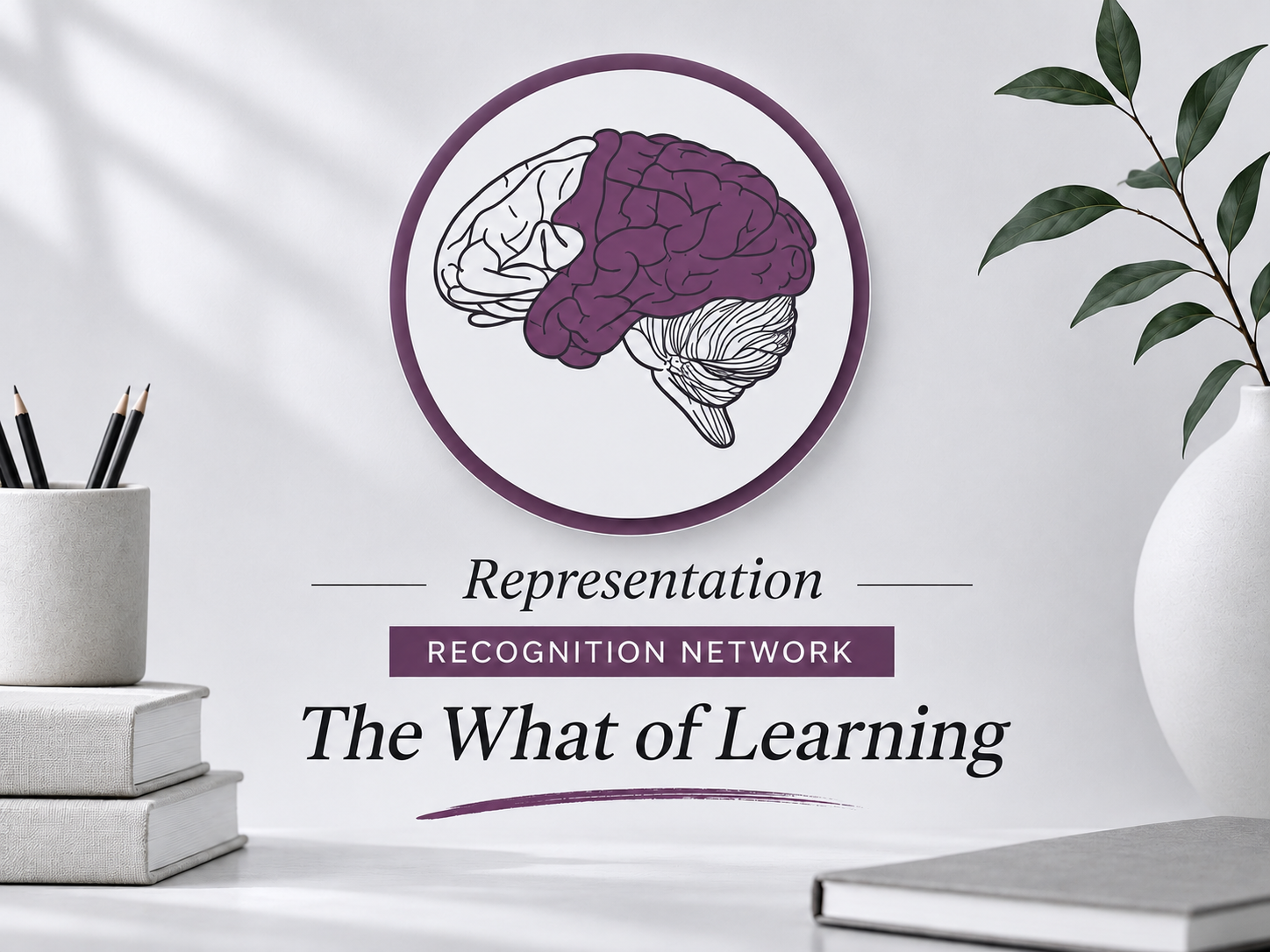
![Illustration of the brain's recognition network, highlighted in purple, representing Representation and the WHAT of learning within Universal Design for Learning (UDL).]()
Representation
Representation focuses on how information is presented and understood.
It encourages educators to use different formats, such as text, visuals, audio and demonstrations, to make learning more accessible.
-
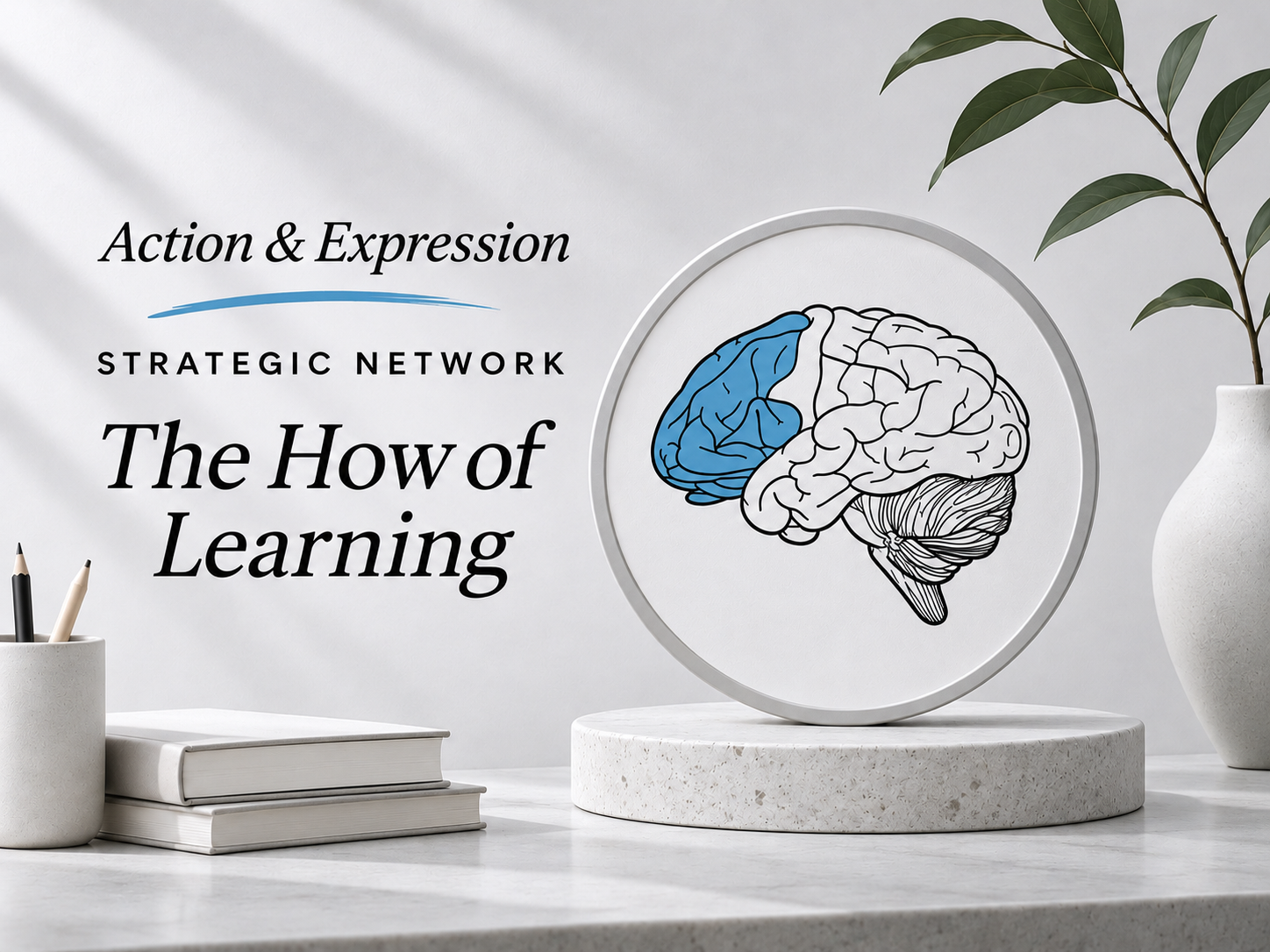
![Illustration of the brain's strategic network, highlighted in blue, representing Action & Expression and the HOW of learning within Universal Design for Learning (UDL).]()
Action & Expression
Action & Expression focuses on how learners demonstrate their knowledge and skills.
It encourages flexible approaches to learning activities and assessment, allowing learners to express their understanding in different ways.
Why Does UDL Matter?
Adopting Universal Design for Learning is about more than improving accessibility. It encourages us to rethink how education is designed, delivered and experienced.
By taking a proactive approach to inclusive learning, UDL can benefit not only individual learners but also educators and educational institutions.
Why is UDL important?
Improves accessibility: Reduces unnecessary barriers to learning and participation.
Promotes equity and inclusion: Creates more equitable opportunities for learners from diverse backgrounds, abilities and experiences.
Supports learner engagement: Encourages motivation, meaningful participation and active involvement in learning.
Develops learner agency: Empowers learners to make choices, set goals and take greater ownership of their learning.
Encourages flexible teaching and assessment: Provides different ways to access information, participate in activities and demonstrate understanding.
Supports educators and institutions: Encourages reflective teaching, inclusive curriculum design and a more proactive approach to accessibility.
Ultimately, UDL helps us move beyond simply accommodating individual needs towards designing educational experiences that are more inclusive from the very beginning.
How can we put UDL into practice?
Set clear learning goals: Identify what learners need to know or be able to do, while allowing flexibility in how they achieve those goals.
Provide multiple ways to access information: Combine written materials with visuals, audio, demonstrations and accessible digital resources.
Offer meaningful choices: Give learners opportunities to make decisions about their learning and, where appropriate, how they demonstrate their understanding.
Design flexible assessments: Explore different ways of assessing knowledge and skills while maintaining the intended learning objectives.
Encourage collaboration and participation: Create opportunities for discussion, teamwork and independent learning.
Embed reflection and feedback: Help learners monitor their progress, recognise achievements and identify areas for development.
UDL in Practice
Implementing Universal Design for Learning does not necessarily mean redesigning an entire curriculum or changing everything about the way we teach.
It can begin with small, intentional adjustments that make learning more accessible, engaging and inclusive.
The key is to consider potential barriers during the planning process rather than waiting until learners experience difficulties.
UDL is not about doing everything differently. It is about making thoughtful design decisions that reduce barriers and create better learning opportunities for everyone.

Key Researchers & Contributors
CAST - United States
Creators of the UDL Framework
Founded in 1984, CAST is a non-profit education research and development organisation responsible for creating the Universal Design for Learning framework. CAST continues to advance UDL through research, professional development, educational resources and the internationally recognised UDL Guidelines.
Inclusion by Design Research Group -UK
Researching Inclusive Learning Design
Based at the University of Worcester, the Inclusion by Design Research Group brings together researchers, educators and practitioners to advance inclusive education. Its work explores UDL, accessibility, learner diversity and how inclusive design can be embedded into educational practice and institutional approaches.
Dr Anne Meyer - Co-founder of CAST and one of the original developers of Universal Design for Learning. Her work has helped establish the theoretical foundations of UDL and inclusive curriculum design.
Dr David H. Rose -Co-founder of CAST and a key architect of UDL, known for his contributions to learning sciences, educational technology and learner variability.
Dr Katie Novak - Internationally recognised UDL educator, consultant and author of UDL Now!, with a focus on translating UDL theory into practical teaching strategies.
Dr Thomas J. Tobin - Researcher and author specialising in the practical implementation of UDL in higher education, particularly accessibility and inclusive teaching practices.
Dr Seán Bracken - Researcher in inclusive education and UDL, with particular expertise in higher education and institutional approaches to inclusive learning design.
Dr Frederic Fovet Researcher, author and consultant whose work explores UDL implementation, accessibility, learner diversity and inclusive practices in post-secondary education.
AHEAD Ireland - Ireland
Advancing Inclusive Education and UDL
AHEAD is an independent non-profit organisation promoting inclusion and accessibility in further and higher education. It actively supports UDL adoption through research, advocacy, educational resources, professional development and its Universal Design Digital Badge programmes
Recommended Reading
There is a wealth of literature available on Universal Design for Learning, from foundational research to practical guides for educators.
Over the years, I have built my own collection of UDL books, and many of these have played an important role in shaping my understanding and teaching practice.
Below, I have put together a selection of my personal favourites, offering different perspectives and approaches depending on your educational setting, professional interests and level of familiarity with UDL.
Whether you're just beginning to explore the framework or looking to deepen your knowledge, I hope you find something valuable!
Affiliate Disclosure: This section contains Amazon affiliate links. If you purchase a book through one of these links, I may earn a small commission at no additional cost to you.
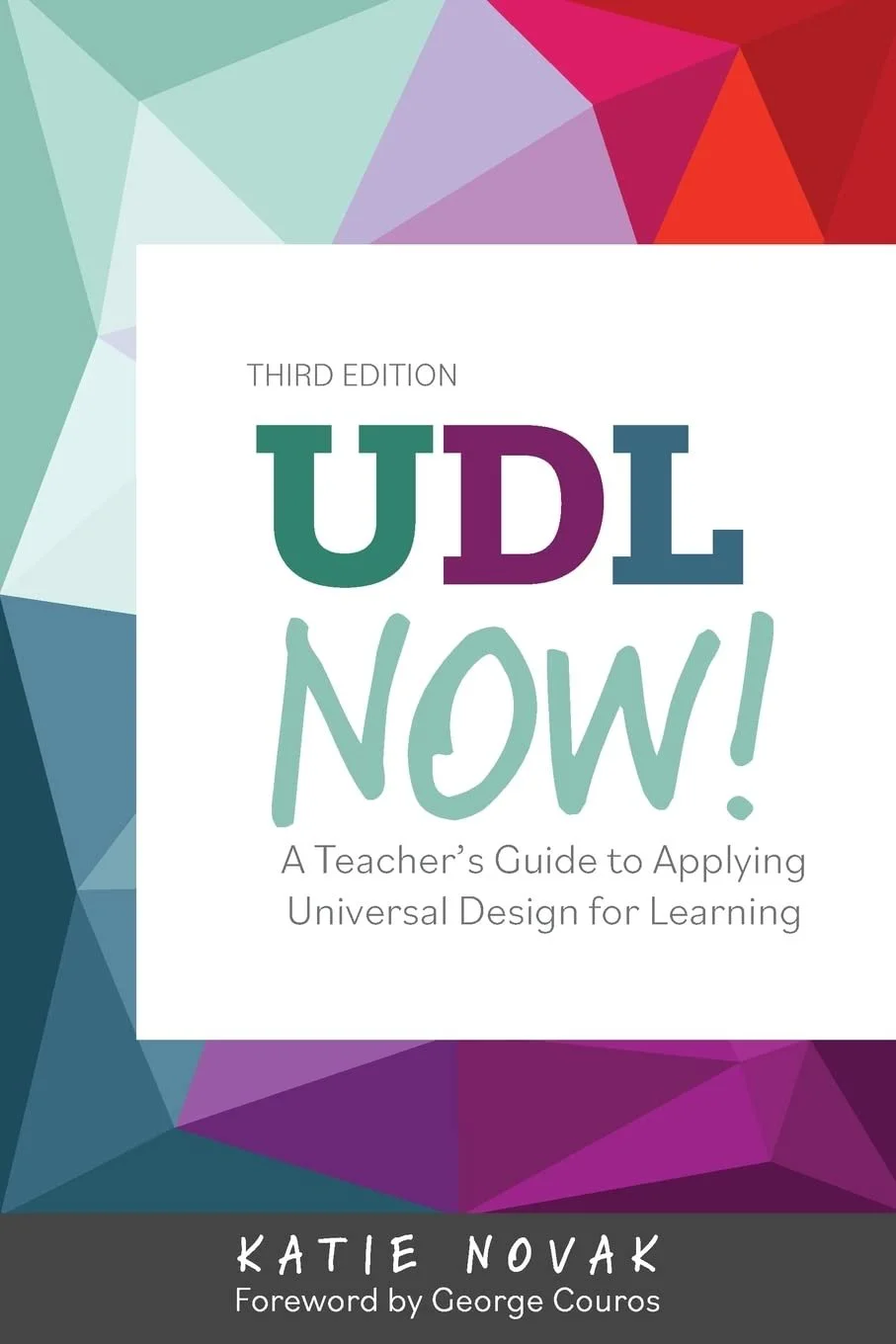
UDL Now! A Teacher's Guide to Applying Universal Design for Learning
by Dr Katie Novak
A practical and accessible guide to implementing Universal Design for Learning in everyday teaching. The book offers real-world examples, strategies and actionable advice to help educators design flexible lessons, increase learner engagement and create more inclusive learning environments.
Best for: Primary and Secondary Education (K–12)
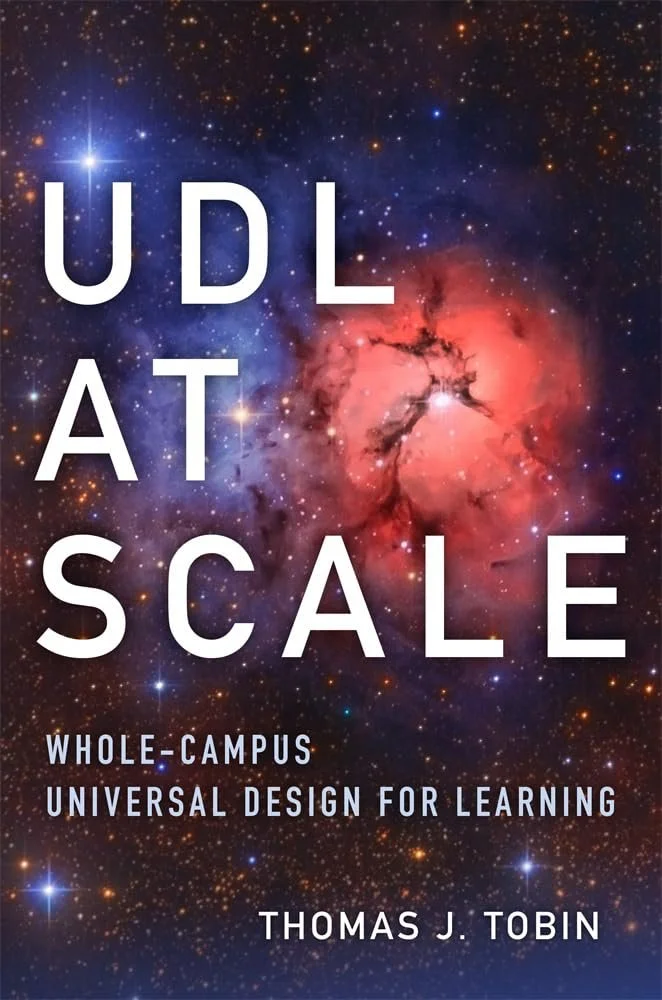
UDL at Scale: Whole-Campus Universal Design for Learning
by Dr Thomas J. Tobin
A practical, research-informed guide to implementing Universal Design for Learning across higher education institutions. The book explores how university leaders and administrators can move beyond individual classroom practices to embed UDL at an institutional level, offering strategies for leadership, staff engagement, organisational change and sustainable implementation.
Best for: Higher Education
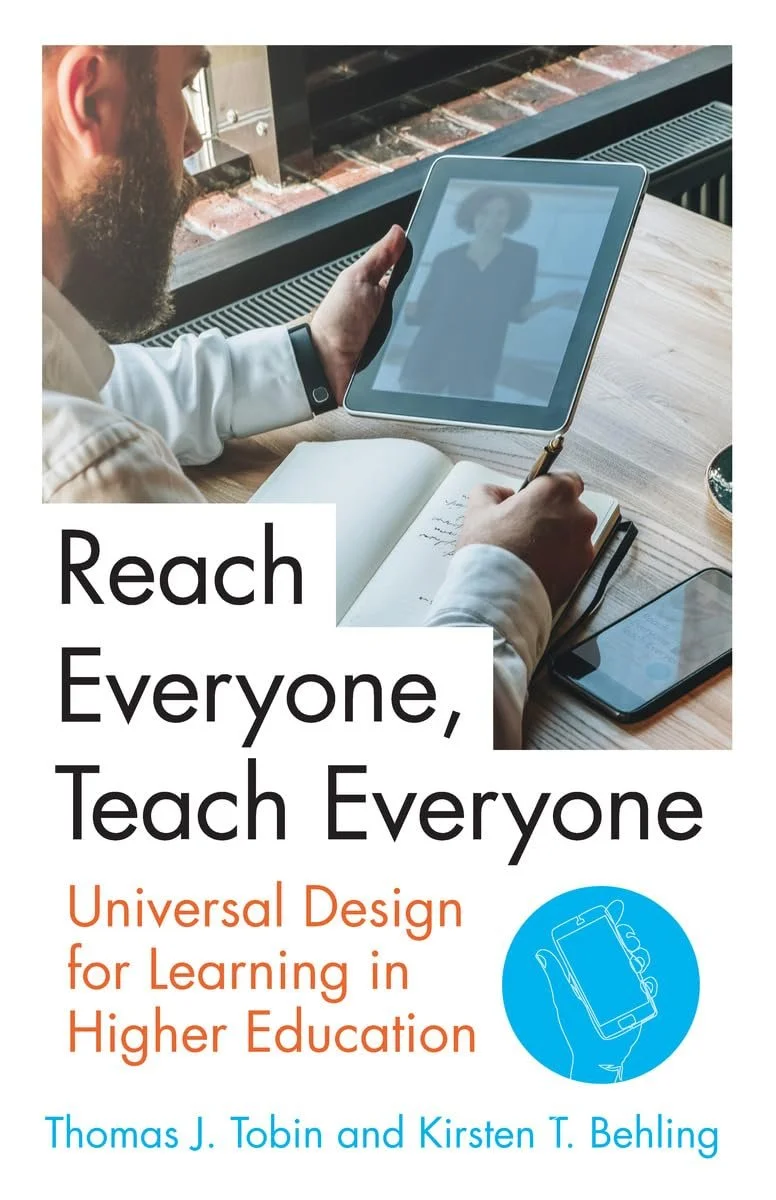
Reach Everyone, Teach Everyone: Universal Design for Learning in Higher Education
by Dr Thomas J. Tobin and Kirsten T. Behling
A practical guide to applying Universal Design for Learning in higher education. The book explores how small, intentional changes to teaching, learning materials and assessment can reduce barriers and improve accessibility for all learners. It offers practical strategies and examples to help educators make their courses more flexible and inclusive without completely redesigning their teaching.
Best for: Higher Education
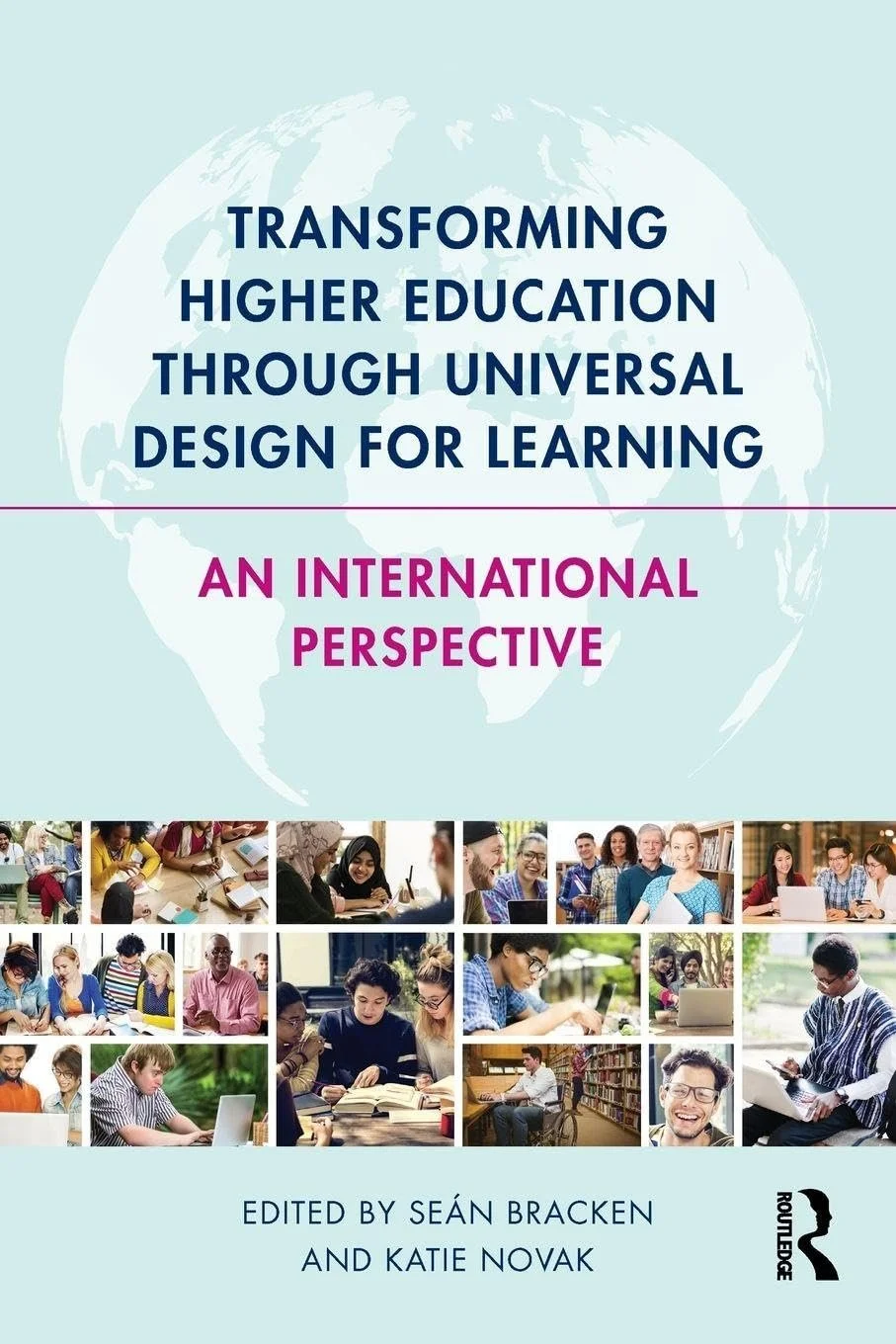
Transforming Higher Education Through Universal Design for Learning: An International Perspective
Edited by Dr Seán Bracken and Dr Katie Novak
An international collection of research and practical insights exploring the implementation of Universal Design for Learning in higher education. Drawing on contributions from educators and researchers across different countries, the book examines how UDL can support accessibility, learner diversity, engagement and inclusive curriculum design. It offers valuable perspectives on adapting UDL to different educational, cultural and institutional contexts.
Best for: Higher Education
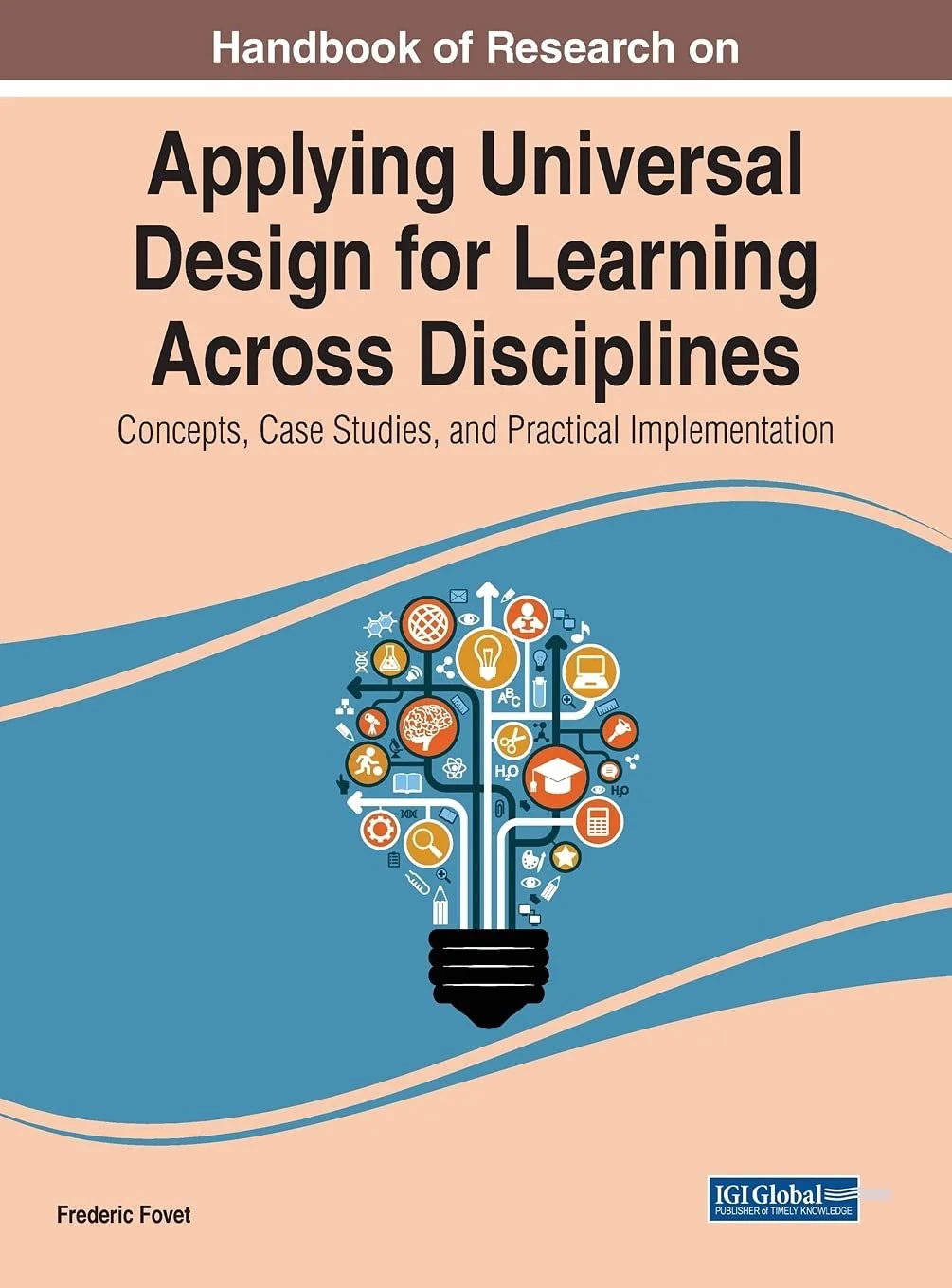
Applying Universal Design for Learning Across Disciplines: Case Studies on Implementation
Edited by Dr Frederic Fovet
A research-informed collection of case studies exploring how Universal Design for Learning can be implemented across different academic disciplines in higher education. The book provides practical examples of inclusive curriculum design, teaching strategies and assessment practices, demonstrating how educators can translate UDL principles into meaningful changes within their courses and departments.
Best for: Higher Education
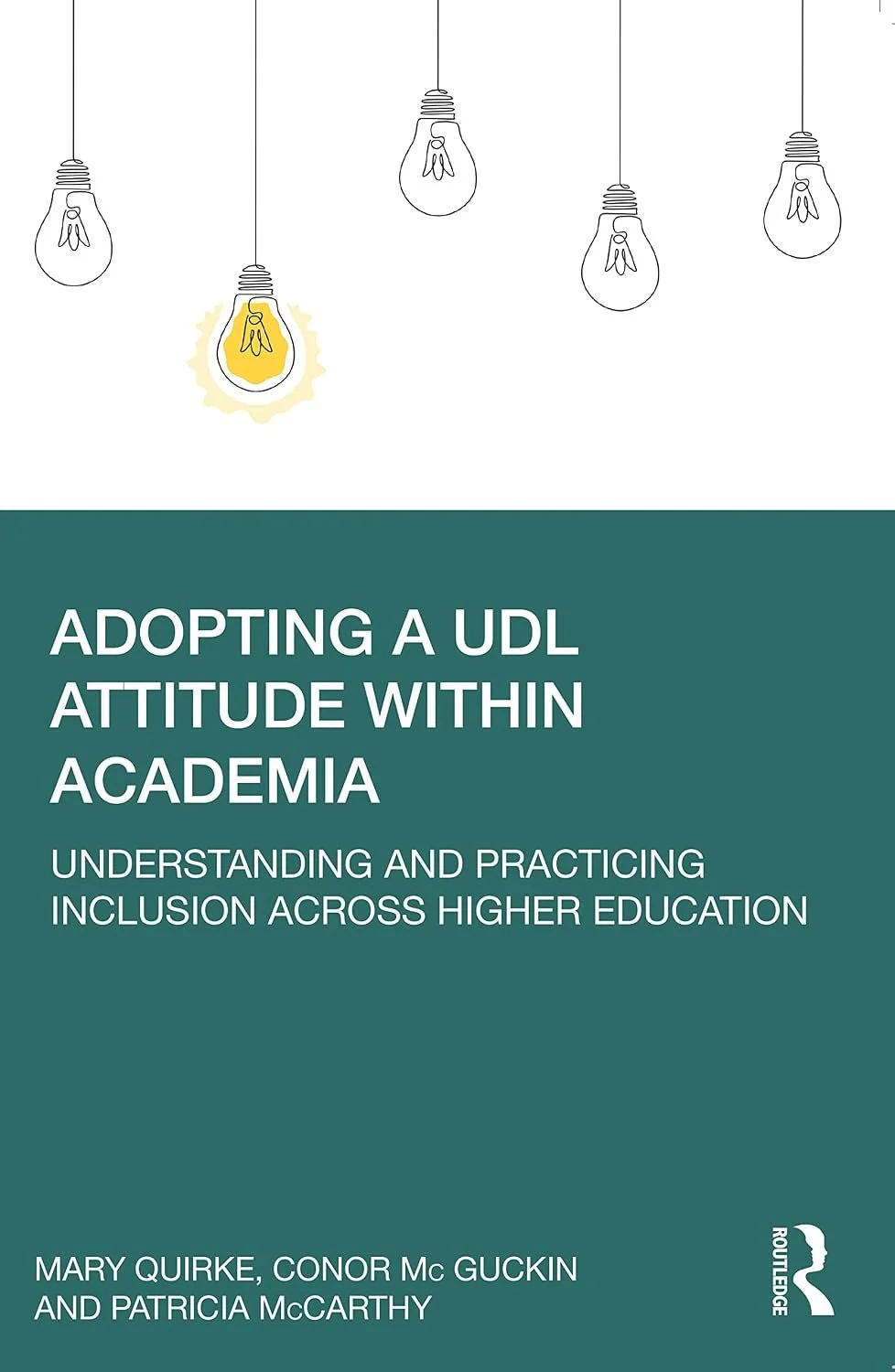
Adopting a UDL Attitude within Academia: Understanding and Practicing Inclusion Across Higher Education
by Mary Quirke, Conor Mc Guckin and Patricia McCarthy
A practical and reflective guide to understanding and implementing Universal Design for Learning in higher education. The book bridges the gap between UDL theory and everyday practice through international research, case studies and practical insights. It encourages educators to adopt a UDL mindset, reflect on their approaches to inclusion and explore how inclusive practices can be embedded sustainably across educational institutions.
Best for: Higher Education
Interested in learning more about Universal Design for Learning or exploring how inclusive learning design can support your teaching practice or organisation?
I'd love to hear from you!
Whether you have a question, would like to exchange ideas or explore opportunities to collaborate, feel free to get in touch.